VO · Spirit family
Read the category
Vodka is more than absence. Highly rectified spirit can retain quiet signals of wheat, rye, potato, grape or other agricultural materials, while filtration, proofing water and mouthfeel become especially visible in a restrained profile. Labels that name a country or protected indication say more than a generic claim of purity or repeated distillation.
How it becomes spirit
- 01Prepare raw material
- 02Ferment
- 03Rectify
- 04Filter or rest
- 05Proof with water
Highly rectified spirit is filtered, adjusted and diluted; raw material, rectification level, filtration and water can still alter texture and aroma.
Common terms on the bottle
Brand language can describe law, method or simply a producer's positioning. These side-by-side definitions show what the familiar wording does—and does not—promise.
The terms identify fermentable raw material, not a guaranteed texture. Potato is often marketed as creamy and grain as crisp, but rectification, filtration and proofing can outweigh the base.
A stated number of distillations can reflect passes, still sections or marketing conventions. A modern column can perform many separation stages in one continuous run.
Filtration may use charcoal or other media to soften aroma and texture. Unfiltered or lightly filtered vodka aims to retain more raw-material character.
Flavored vodka is a regulated market category in many places. Infused describes steeping ingredients, but the final legal designation can still require flavor or composition wording.
Regional names found on labels
Polska Wódka / Polish Vodka
Protected GI using specified Polish-grown raw materials and Polish production.
Svensk Vodka
Registered geographic indication for Swedish vodka.
Suomalainen Vodka
Registered geographic indication for Finnish vodka.
Flavored Vodka
A flavored category; labeling and formula rules depend on jurisdiction.
Potato Vodka
Vodka distilled from potatoes; a useful production clue, not a single protected origin.
- PolandŻyrardów Distillery
- SwedenThe Absolut Company
- FinlandKoskenkorva Distillery
Subtype field cards
Neutral vodka
Defined styleHighly rectified vodka style designed to minimize congeners and foreground proofing water, filtration and texture.
Definitions differ: US rules no longer rely on the old 'without distinctive character' phrase, while EU law sets its own raw-material and labeling framework.
Very clean aroma with texture, proofing water and a faint pepper, cereal or citrus impression doing the work.
The Absolut CompanyÅhus, Sweden. Large-scale wheat vodka production.
Characterful vodka
Broad styleDescriptive style retaining identifiable raw-material aroma or texture through less-neutral production choices.
A descriptive tasting phrase, not a universal legal category. Raw material may need disclosure in some markets when it is not cereal or potato.
Preserves more grain, potato, fruit or creamy texture through distillation and lighter filtration.
Koskenkorva DistilleryKoskenkorva, Southern Ostrobothnia, Finland. Village-scale barley-to-spirit site.
Flavored vodka
Defined styleMarket-recognized vodka type whose declared flavor is added by extract, essence, maceration or direct blending.
A recognized flavored type in major markets, subject to formula, designation and disclosure rules for added flavors or materials.
From citrus and pepper to confectionery; sweetness and flavor intensity vary widely.
Deep Eddy DistilleryBuda, Texas, United States. Texas flavored-vodka distillery.
Infused vodka
Broad styleTechnique-led vodka style made by steeping identifiable ingredients, usually without redistilling the infusion.
“Infused” describes a technique, not a single legal class; the final label may require a statement of composition depending on market.
Fruit, herbs, tea or spice macerated into vodka, often giving natural color and a less uniform profile.
Hanson of Sonoma DistillerySonoma, California, United States. Organic grape-vodka infusion producer.
Potato vodka
Broad styleRaw-material classification for vodka fermented from converted potatoes rather than a distinct origin or sweetness class.
Potato identifies the agricultural raw material, not one universal production class. In the EU, vodka not made exclusively from cereals or potatoes must identify its other raw material, making potato a particularly meaningful label cue.
Often broad, creamy and earthy with a weightier mid-palate than very neutral wheat or corn vodkas, though rectification and filtration can reduce those differences.
Chopin DistilleryKrzesk, Masovia, Poland. Potato-led estate vodka distillery.
Subtype atlas
Neutral vodka, up close
Neutral vodka is a defined style whose identity comes from the interaction of raw material, method, place and any maturation rules—not from one flavor stereotype. Very clean aroma with texture, proofing water and a faint pepper, cereal or citrus impression doing the work.
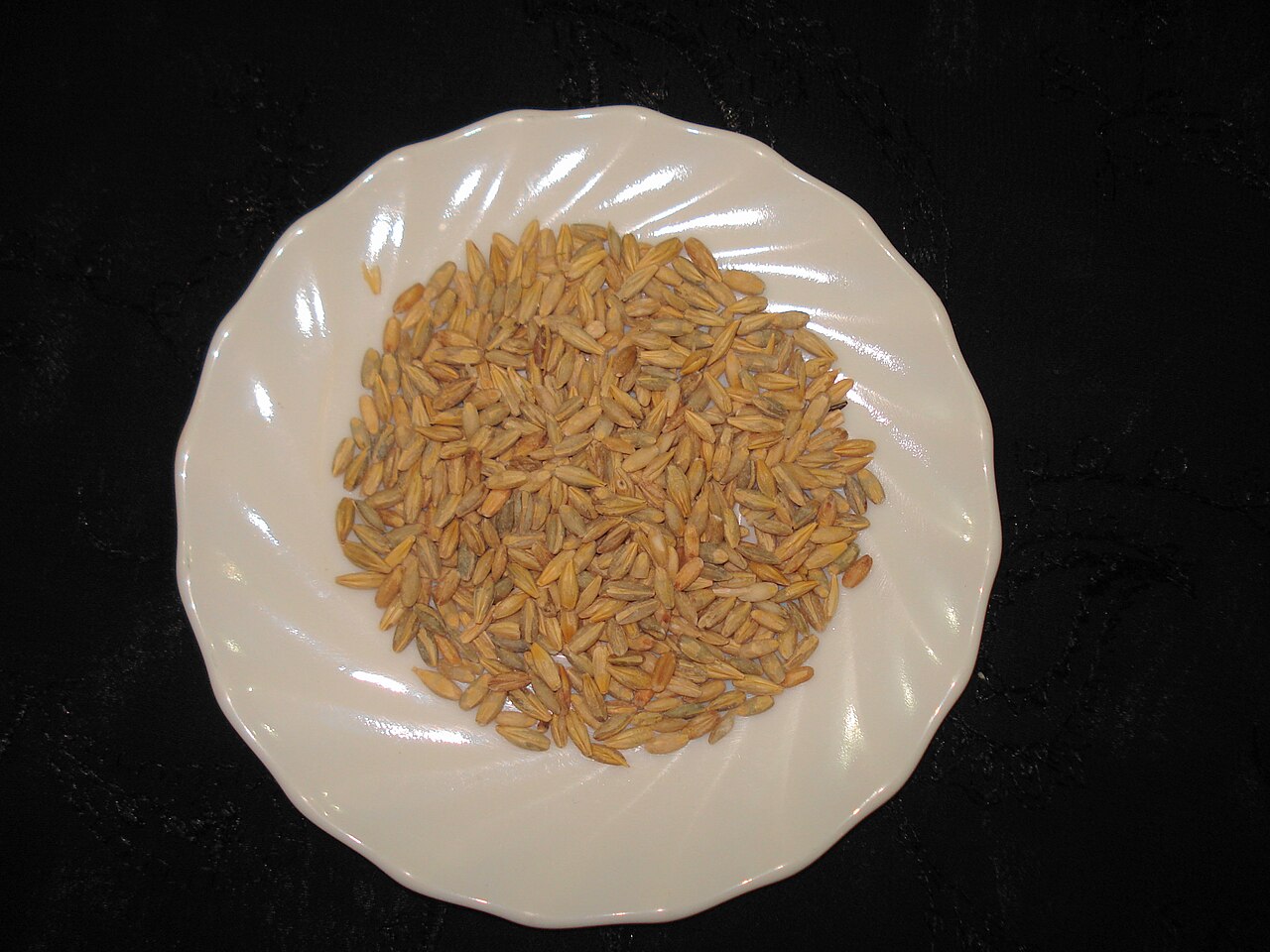
Fermentable grain, potato or fruit
The base material supplies alcohol and subtle texture before rectification. Wheat, rye, corn, potato and fruit can each be made quiet or deliberately characterful.
Water, filtration and final proof often become as visible as the fermentable base.Photo · Miansari66 / CC0Neutral vodka production cities
These 5 documented production sites are grouped into 5 cities across United States, France, Sweden, Latvia. The map shows cities only; choose one to see its notable producers and style cues.
- Austin
- Gensac-la-Pallue
- Ellinge Castle
- Riga
- Modesto
What changes in the glass
Legal identity
Defined styleDefinitions differ: US rules no longer rely on the old 'without distinctive character' phrase, while EU law sets its own raw-material and labeling framework.
Rectification, filtration and proofing
Purity with deliberate textureDistillation proof controls congener retention; filtration edits the spirit; water chemistry and bottling strength determine much of the final weight and finish.
In the glass
A tendency, never a guaranteeVery clean aroma with texture, proofing water and a faint pepper, cereal or citrus impression doing the work.
From introductory to advanced
A four-pour route through vodka. “Advanced” means more intense or information-dense—not objectively better. Start with small pours, add water where useful, and compare slowly.
01Start Wheat vodka
Chilled, then tasted warmerA clean, soft cereal example establishes alcohol, water and texture as things to taste rather than hide.
02Build Potato vodka
Cool, not frozenA fuller, creamier texture makes the influence of base material and distillation choices easier to compare.
03Explore Rye vodka
Neat at cellar temperatureRye often retains a firmer, spicier cereal signature even after high rectification.
04Advanced Single-estate or minimally filtered vodka
Side-by-side at room temperatureA transparent production story invites close comparison of crop, fermentation, filtration, water and proofing.
Side-by-side method
Compare vodka styles
Pick two subtypes and scan the five differences that matter most.
Highly rectified agricultural spirit, often from wheat, corn, rye or potato, plus water.
Named grain, potato, grape or another fermentable agricultural raw material.
High-strength continuous rectification removes most congeners.
Fermentation, rectification and lighter filtration aim to retain subtle source character…
Unaged
Usually unaged, sometimes rested before dilution and bottling.
Definitions differ: US rules no longer rely on the old 'without distinctive character'…
A descriptive tasting phrase, not a universal legal category.
Very clean aroma with texture, proofing water and a faint pepper.
Preserves more grain, potato, fruit or creamy texture through distillation and lighter…
Distillery map
Explore the production sites in the vodka chapter. Select a style to reduce the map, then choose a marker for its production story.
The Absolut Company
Large-scale wheat vodka productionExplore rectification, consistency, wheat character and the importance of water and dilution.
- wheat
- clean
- soft