AS · Spirit family
Read the category
Many East Asian grain spirits use mold cultures—qu, kōji or nuruk—to unlock starch while yeast makes alcohol. That single distinction opens radically different systems: solid-state pit fermentation and repeated batches for baijiu, single distillation for honkaku shōchū, black kōji and long-grain rice for awamori, and both traditional pot-distilled and modern diluted forms of soju.
How it becomes spirit
- 01Prepare grain/starch
- 02Inoculate culture
- 03Saccharify & ferment
- 04Distill
- 05Rest, age or dilute
Filamentous fungi and mixed cultures convert starch while fermentation proceeds. Solid or liquid fermentations, repeated batches and varied stills create radically different profiles.
Common terms on the bottle
Brand language can describe law, method or simply a producer's positioning. These side-by-side definitions show what the familiar wording does—and does not—promise.
These baijiu terms are regulated aroma families, not intensity scores. Strong aroma often emphasizes ester-rich fermented fruit; sauce aroma leans roasted, savory and layered.
Honkaku is single-distilled and preserves raw-material character. Kōrui is multiply distilled to a lighter, more neutral profile often used in mixed drinks.
Distilled soju comes directly from a flavorful fermented base and still. Diluted soju blends highly rectified spirit with water and may include sweetening or flavor adjustments.
Kusu is aged awamori meeting defined age presentation rules, traditionally matured in ceramic. Younger awamori shows fresher rice, floral and earthy character.
Regional names found on labels
白酒 · Báijiǔ
Chinese grain spirit; aroma category words often appear alongside the name.
本格焼酎 · Honkaku Shōchū
Single-distilled shōchū made from permitted materials and processes.
琉球泡盛 · Ryūkyū Awamori
Okinawan GI/tradition using black kōji and indica rice.
소주 · Soju
Covers both diluted modern products and traditional distilled expressions.
高粱酒 · Kaoliang
Sorghum spirit tradition especially associated with Kinmen and Matsu.
- ChinaKweichow Moutai
- KyushuKirishima Shuzo
- OkinawaZuisen Distillery
- KoreaAndong Soju Distillery
- Taiwan’s offshore islandsKinmen Kaoliang Liquor
Subtype field cards
Strong-aroma baijiu
Defined styleChinese aroma class defined by ester-rich solid-state fermentation in continuously reused mud pits.
Chinese national/industry standards define baijiu and aroma categories; region-specific names may carry additional protection.
Powerful pineapple, fermented fruit and savory notes from mud-pit fermentation and mixed-grain cycles.
Luzhou LaojiaoLuzhou, Sichuan, China. Strong-aroma baijiu site.
Sauce-aroma baijiu
Defined styleChinese aroma class defined by high-temperature daqu and repeated cooking, fermentation and distillation rounds.
A regulated Chinese aroma category; famous regional indications such as Kweichow Moutai add place-specific specifications.
Layered umami, roasted grain, soy-like savor and dried fruit from repeated high-temperature cycles.
Kweichow MoutaiMaotai, Guizhou, China. Sauce-aroma baijiu site.
Light-aroma baijiu
Defined styleChinese aroma class centered on a short, clean sorghum fermentation traditionally conducted in stone vessels.
A Chinese aroma classification rather than one universal place name.
Clean, floral and cereal-led, often from sorghum fermented in stone jars.
Xinghuacun Fenjiu DistilleryFenyang, Shanxi, China. Historic Fenjiu light-aroma distillery.
Rice-aroma baijiu
Defined styleChinese aroma class made from rice with small-qu in semi-solid or liquid fermentation.
Chinese aroma category based around rice-spirit character; geographic claims require separate qualification.
Soft, floral and gently sweet with rice, honey and yogurt-like notes.
Guilin Sanhua DistilleryGuilin, Guangxi, China. Guilin rice-aroma baijiu site.
Honkaku shōchū
Defined styleJapanese single-distilled shōchū class preserving the identity of a permitted base ingredient and kōji fermentation.
Japan's single-distilled shōchū category restricts materials and process; several regional shōchū names are protected GIs.
Raw-material expressive—sweet potato, barley, rice, buckwheat or brown sugar—with kōji-driven umami.
Kirishima ShuzoMiyakonojō, Miyazaki, Japan. Sweet-potato shōchū site.
Awamori
Protected originOkinawan geographical indication based on all-kōji indica rice, black kōji and single batch distillation.
Ryūkyū Awamori is an Okinawan geographical indication, traditionally using indica rice, black kōji and single fermentation.
Earthy, floral and rich; aged kusu can develop vanilla, mushroom and deep savory complexity.
Kumesen SyuzoNaha, Okinawa, Japan. Okinawan awamori producer.
Diluted soju
Broad styleModern Korean style made by reducing and blending highly rectified neutral spirit rather than distilling the final mash once.
A Korean tax/market category made by diluting highly rectified spirit; it is distinct from traditional pot-distilled soju.
Light, clean and softly sweet, typically bottled at approachable strength.
HiteJinro Icheon FactoryIcheon, Gyeonggi-do, South Korea. Large-scale Korean soju production site.
Distilled soju
Traditional termCharacterful Korean grain spirit distilled directly from a fermented mash, traditionally saccharified with nuruk.
Traditional distilled soju follows Korean standards; regional examples such as Andong Soju may have additional geographic recognition.
Grain, nuts and fermentation character with more weight and higher strength than diluted soju.
Hwayo DistilleryYeoju, Gyeonggi-do, South Korea. Rice-spirit and onggi maturation producer.
Kaoliang
Traditional termChinese-language sorghum-spirit tradition, especially associated in Taiwan with the distinct Kinmen and Matsu islands.
Kaoliang is a Chinese-language sorghum-spirit term rather than one globally protected recipe. Taiwan’s best-known examples are place-specific traditions from Kinmen and Matsu.
Dry, high-strength and aromatic, with sorghum, white pepper, flowers and fermented fruit shaped by wheat starter, solid-state fermentation and maturation vessels.
Kinmen Kaoliang LiquorKinmen, Taiwan. Kinmen sorghum-spirit site.
Subtype atlas
Strong-aroma baijiu, up close
Strong-aroma baijiu is a defined style whose identity comes from the interaction of raw material, method, place and any maturation rules—not from one flavor stereotype. Powerful pineapple, fermented fruit and savory notes from mud-pit fermentation and mixed-grain cycles.
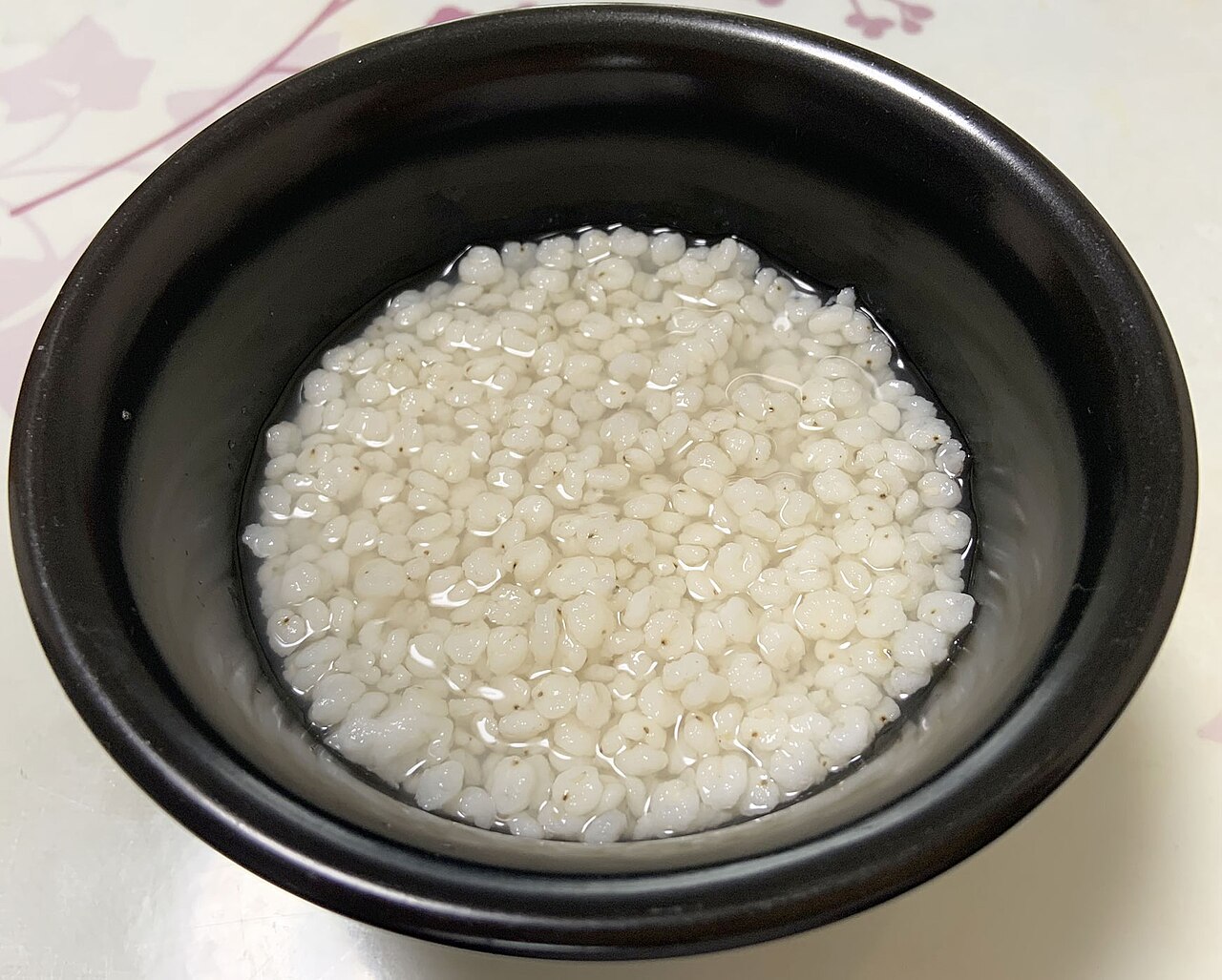
Sorghum and qu
Sorghum is cooked and fermented with qu, a grain-based culture carrying enzymes, yeasts and bacteria. Repeated cycles and vessel ecology can matter as much as the grain itself.
Qu is simultaneously a conversion system, microbial starter and flavor-building ingredient.Photo · Wiki Taro / CC0Strong-aroma baijiu production cities
These 7 documented production sites are grouped into 7 cities across China. The map shows cities only; choose one to see its notable producers and style cues.
- Bozhou
- Mianzhu
- Chengdu
- Huaibei
- Sheqi
- Shehong
- Lianshui
What changes in the glass
Legal identity
Defined styleChinese national/industry standards define baijiu and aroma categories; region-specific names may carry additional protection.
Conversion culture and fermentation
Microbiology is part of the identityQu, kōji or nuruk convert starch while building aroma. Substrate, vessel, temperature and whether fermentation is solid, semi-solid or liquid fundamentally change the spirit.
In the glass
A tendency, never a guaranteePowerful pineapple, fermented fruit and savory notes from mud-pit fermentation and mixed-grain cycles.
From introductory to advanced
A four-pour route through asian grain spirits. “Advanced” means more intense or information-dense—not objectively better. Start with small pours, add water where useful, and compare slowly.
01Start Clean modern soju
Lightly chilled with foodA lower-strength, restrained style introduces the social and culinary role of Korean spirits.
02Build Barley honkaku shochu
Neat, on ice or with warm waterSingle distillation and kōji make grain and fermentation character more visible without extreme aroma intensity.
03Explore Light-aroma baijiu
Small room-temperature pourSolid fermentation and qu introduce a new aroma system in a relatively crisp, restrained baijiu style.
04Advanced Sauce-aroma baijiu
Very small pour; revisit slowlyLayered fermentations and high congener intensity demand patience, comparison and a broader savory vocabulary.
Side-by-side method
Compare Asian grain spirits styles
Pick two subtypes and scan the five differences that matter most.
Sorghum alone or mixed grains, saccharified with large-brick daqu.
Sorghum and high-temperature wheat daqu.
Solid-state mud-pit fermentation through repeated cycles.
Repeated high-temperature cooking, fermentation and steam-distillation rounds over a long…
Commonly aged in inert pottery or ceramic, not flavoring oak.
Extended ceramic or other inert-vessel aging precedes intricate blending.
Chinese national/industry standards define baijiu and aroma categories
A regulated Chinese aroma category
Powerful pineapple, fermented fruit and savory notes from mud-pit fermentation and…
Layered umami, roasted grain, soy-like savor and dried fruit from repeated…
Distillery map
Explore the production sites in the asian grain spirits chapter. Select a style to reduce the map, then choose a marker for its production story.
Kweichow Moutai
Sauce-aroma baijiu siteStudy high-temperature qu, solid-state fermentation, repeated production cycles and long blending.
- savory
- fermented grain
- umami