GI · Spirit family
Read the category
Gin is defined by juniper, then differentiated by how botanicals meet the spirit. Distillers may steep botanicals in neutral spirit, suspend them in vapor, distill components separately or combine techniques. Citrus, coriander, roots, flowers and local plants shape the architecture, but a regional-looking phrase is not automatically a geographic protection.
How it becomes spirit
- 01Choose base spirit
- 02Build botanical recipe
- 03Macerate or vapor-infuse
- 04Redistill
- 05Blend & dilute
Botanicals may be macerated, percolated or vapor-infused before redistillation. Recipe, extraction and cut points control balance.
Common terms on the bottle
Brand language can describe law, method or simply a producer's positioning. These side-by-side definitions show what the familiar wording does—and does not—promise.
London Dry is a stricter production standard within distilled gin, with tight limits on sweetening and additions after distillation. Neither phrase requires production in London.
Old Tom is a historical style commonly rounder or sweeter than dry gin, but it has no single global recipe and may be rested in wood.
Navy strength is a high-proof style claim commonly bottled around 57% ABV. Standard-strength gin is diluted further for a lighter concentration.
Compound gin flavors spirit without redistilling all the botanicals with it. Distilled gin creates its defining botanical character through redistillation.
Regional names found on labels
London Dry Gin
A production standard: dry and distilled, without requiring London origin.
Plymouth Gin
Geographic name tied to production in Plymouth.
Genever / Jenever
Protected juniper-spirit traditions centered on malt wine.
Old Tom Gin
A historical style name; sweetness and aging are producer choices.
Barrel-aged Gin
Gin matured in wood; cask type and time are producer choices rather than one global standard.
- PlymouthBlack Friars Distillery
- BeneluxFilliers Distillery
Subtype field cards
London Dry Gin
Defined styleRegulated distilled-gin subset with flavor created in redistillation and strict limits on later sweetening or additions.
Under EU/UK-style definitions it is a distilled gin meeting strict limits on sweetening and post-distillation additions. It does not have to be made in London.
Crisp, dry and juniper-forward, typically layered with citrus peel, coriander and roots.
Bombay Sapphire DistilleryLaverstoke Mill, Hampshire, England. Vapor-infusion gin site.
Distilled gin
Defined styleLegal production class made by redistilling agricultural alcohol with juniper and other natural botanicals.
Gin whose flavor is created by redistilling agricultural ethyl alcohol with juniper and other botanicals; rules vary by sales market.
Broad spectrum from classic juniper-led to floral, citrus or spice-led recipes.
Hendrick’s Gin PalaceGirvan, Ayrshire, Scotland. Dual-still botanical gin site.
Contemporary gin
Broad styleModern market style in which non-juniper botanicals lead, while the spirit still meets the applicable gin definition.
A market/style term rather than a separate legal class; the product must still satisfy the applicable gin definition.
Juniper remains present but cucumber, tea, flowers, local citrus or savory botanicals may lead.
Four Pillars DistilleryHealesville, Victoria, Australia. Yarra Valley botanical distillery.
Old Tom gin
Traditional termHistorical, non-uniform gin style generally marked by a rounder, sweeter profile than London Dry.
Historical style term without one global legal recipe; sweetness, color and cask aging vary by producer and market.
Rounder and often sweeter than London Dry, bridging malty genever and crisp dry gin.
Hayman’s DistilleryBalham, London, England. London family gin distillery.
Genever
Protected originProtected Dutch-and-Belgian grain-spirit family built around malt wine and integrated juniper character.
Jenever/genever is protected in the EU for specified countries/regions and uses category-specific rules including malt-wine terminology.
Maltier and more cereal-driven than most gin, with juniper integrated into a whiskey-like base.
Filliers DistilleryDeinze, Belgium. Belgian genever tradition.
Barrel-aged gin
Broad styleWood-maturation technique layered onto a qualifying gin, without a universal minimum age or cask rule.
Wood maturation is a technique rather than a separate universal gin class. The spirit must still meet the applicable gin definition, while age statements and cask claims follow local labeling rules.
Juniper and citrus gain vanilla, toast, tannin and spice; new oak can be forceful, while used or mixed woods preserve more botanical detail.
Caledonia Spirits / Barr HillMontpelier, Vermont, United States. Honey gin aged in new American oak.
Subtype atlas
London Dry Gin, up close
London Dry Gin is a defined style whose identity comes from the interaction of raw material, method, place and any maturation rules—not from one flavor stereotype. Crisp, dry and juniper-forward, typically layered with citrus peel, coriander and roots.
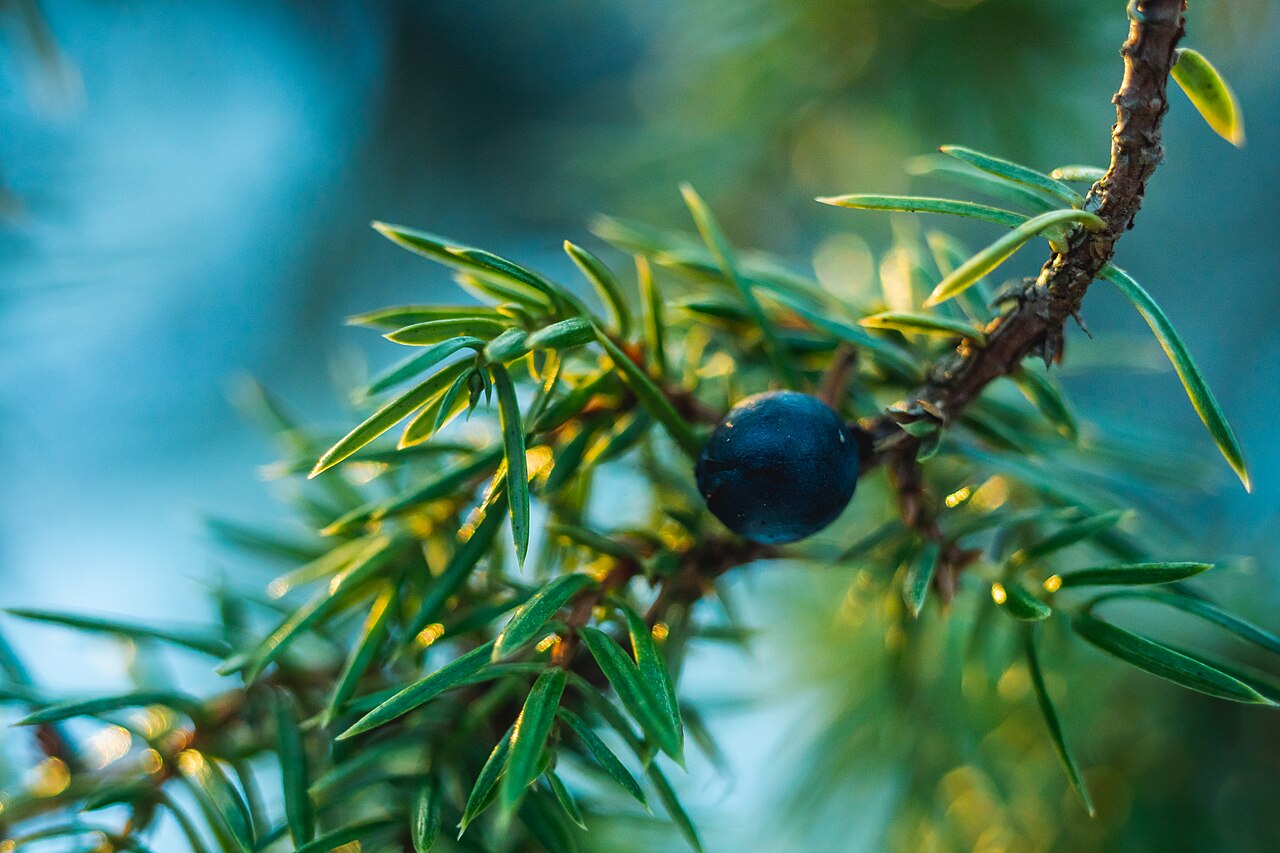
Juniper-led botanical recipe
Juniperus communis with recipe botanicalsJuniper supplies pine, resin and citrus-like terpenes. Coriander, peel, roots, flowers, tea, fruit and local botanicals determine whether the recipe reads classic, floral, savory or contemporary.
Botanical dominance and extraction method explain more than the number of botanicals advertised.Photo · Tero Karppinen / CC0London Dry Gin production cities
These 8 documented production sites are grouped into 7 cities across United Kingdom, Scotland, Netherlands. The map shows cities only; choose one to see its notable producers and style cues.
- Kennington
- Windygates
- Warrington
- Notting Hill
- Albury
- London
- Schiedam
What changes in the glass
Legal identity
Defined styleUnder EU/UK-style definitions it is a distilled gin meeting strict limits on sweetening and post-distillation additions. It does not have to be made in London.
Botanical extraction
Macerate, vapor-infuse or compoundRecipe matters, but so does extraction: steeping can build weight, vapor infusion can preserve lift, and post-distillation additions change the legal and sensory result.
In the glass
A tendency, never a guaranteeCrisp, dry and juniper-forward, typically layered with citrus peel, coriander and roots.
From introductory to advanced
A four-pour route through gin & genever. “Advanced” means more intense or information-dense—not objectively better. Start with small pours, add water where useful, and compare slowly.
01Start Classic London Dry gin
Gin & tonic, then neatA juniper-led recipe establishes the category's central reference point with citrus and coriander support.
02Build Contemporary botanical gin
Highball or neatA softer juniper frame reveals how flowers, tea, local herbs or unusual citrus reshape the architecture.
03Explore Oude genever
Neat at cool room temperatureMalt wine introduces cereal weight and connects botanical spirit to whisky-like fermentation and distillation cues.
04Advanced Barrel-aged gin or genever
Small neat pourOak creates a three-way negotiation between base spirit, botanical extraction and maturation.
Side-by-side method
Compare gin & genever styles
Pick two subtypes and scan the five differences that matter most.
Neutral agricultural spirit with juniper and botanicals such as citrus and coriander.
Agricultural spirit redistilled with juniper and other natural botanicals.
Flavor must be created in redistillation
Maceration, vapor infusion or multiple distillates build the recipe
Normally unaged.
Usually unaged, with occasional rested or barrel-aged interpretations.
Under EU/UK-style definitions it is a distilled gin meeting strict limits on sweetening…
Gin whose flavor is created by redistilling agricultural ethyl alcohol with juniper and…
Crisp, dry and juniper-forward, typically layered with citrus peel, coriander and roots.
Broad spectrum from classic juniper-led to floral, citrus or spice-led recipes.
Distillery map
Explore the production sites in the gin & genever chapter. Select a style to reduce the map, then choose a marker for its production story.
Bombay Sapphire Distillery
Vapor-infusion gin siteConnect botanical recipe and vapor infusion with a clean, juniper-led style.
- juniper
- citrus
- coriander