RU · Spirit family
Read the category
Rum can begin with molasses, cane syrup or fresh juice. Long, microbially diverse fermentations create pungent esters; cleaner fermentations and tall columns make lighter spirit. Pot and column distillates are frequently blended, then matured in tropical or continental climates. Regional words such as rhum, ron and rum are clues to language and tradition, not universal style guarantees.
How it becomes spirit
- 01Mill sugar cane
- 02Select juice/molasses
- 03Ferment
- 04Pot or column distill
- 05Blend, rest or age
Base material, fermentation length, yeast and bacteria, pot or column distillation, blending and tropical or continental maturation create enormous range.
Common terms on the bottle
Brand language can describe law, method or simply a producer's positioning. These side-by-side definitions show what the familiar wording does—and does not—promise.
Agricole is made from fresh cane juice, while most rum begins with molasses. The tightly defined Martinique AOC is more specific than the broad agricole style.
Color does not map neatly to age. White rum may be unaged or charcoal-filtered after aging; dark color can come from cask maturation, blending or permitted coloring.
Overproof broadly means bottled above a market's standard proof. Navy strength is a historic-style strength claim, commonly around 57% ABV, but not one globally harmonized rum category.
Solera describes a fractional blending system containing stocks of different ages. A large solera number may not mean every drop spent that many years in wood.
Regional names found on labels
Rhum Agricole Martinique AOC
Fresh-cane-juice rum under a detailed French appellation.
Jamaica Rum
Geographical indication associated with Jamaican fermentation and distilling practice.
Cachaça
Brazilian cane spirit with its own national identity and strength rules.
Ron de Guatemala
Protected Central American origin with local production specifications.
Barbados Rum
A place claim tied to Barbadian production; consult the current market specification.
Clairin
Traditional Haitian cane spirit, usually tied closely to a village, cane variety and small distillery.
- MartiniqueHabitation Clément
- JamaicaAppleton Estate
- BrazilNovo Fogo Distillery
- GuatemalaRon Zacapa / ILG
- BarbadosMount Gay Distillery
- HaitiDistillerie Chelo
Subtype field cards
Molasses-based rum
Broad styleRaw-material family fermented from the sugar-refining by-product, spanning light column and heavy pot-still styles.
Rum definitions vary by market; EU and US standards both recognize fermented sugar-cane products, but additives and labeling treatment differ.
From light column rum to dense pot-still spirit, depending on fermentation, still and blending.
Foursquare Rum DistillerySaint Philip, Barbados. Pot and column rum distillery.
Cane-juice rum
Broad styleBroad raw-material family fermented directly from fresh-pressed cane juice, without implying one protected origin.
Fresh cane juice is a raw-material description; legal protection comes only when paired with a qualifying GI or national category.
Grassy, vegetal and vivid, often showing olive, citrus and pepper.
Kō Hana DistillersKunia, Oʻahu, United States. Hawaiian farm-to-bottle cane distillery.
Rhum agricole
Traditional termFrench-language cane-juice tradition; only qualifying origins such as Martinique add a tightly defined appellation.
Agricole denotes cane-juice production; “Rhum Agricole Martinique” is the tightly defined AOC, while other origins follow their own rules.
Fresh cane, herbs, flowers and mineral/earthy tones; white and oak-aged forms are common.
Habitation ClémentLe François, Martinique, France. Cane-juice rhum site.
Jamaican rum
Protected originJamaican geographical indication whose origin and production specification distinguish it from generic high-ester rum.
Jamaica Rum is a protected geographical indication with a production specification; genuine origin matters more than a generic 'Jamaican style' claim.
High-ester fruit, overripe banana, pineapple and savory funk, often built through long fermentation and pot distillation.
Appleton EstateNassau Valley, Jamaica. Estate rum in Jamaica’s interior.
Cuban-style rum
Broad styleMarket style for light column spirit, aguardiente blending, filtration and restrained oak—not a universal legal class.
“Cuban style” is a trade/style phrase outside qualifying Cuban origin; it is not a universal production standard.
Light-bodied, clean column distillate shaped by charcoal filtration, blending and restrained oak.
Havana Club San José DistillerySan José de las Lajas, Mayabeque, Cuba. Cuban rum production and maturation site.
Cachaça
Protected originBrazilian fresh-cane-juice spirit category with its own origin and distillation-strength rules.
Brazilian geographical indication/national category distilled from fermented fresh cane juice within prescribed alcoholic-strength parameters.
Cane, banana and pepper; native Brazilian woods can give distinctive herbal, resinous or spice notes.
Novo Fogo DistilleryMorretes, Paraná, Brazil. Atlantic-rainforest cachaça distillery.
Clairin
Traditional termTraditional Haitian village-scale cane spirit identified most precisely by producer, place and cane variety.
Clairin is a Haitian cane-spirit tradition rather than one harmonized international category; producer and village names are crucial guides to raw material and method.
Wildly expressive fresh cane or cane-syrup spirit, with olive, brine, grass, ripe fruit and fermentation-derived savor from long local fermentations.
Distillerie CheloSaint-Michel-de-l’Attalaye, Haiti. Village clairin distillery.
Subtype atlas
Molasses-based rum, up close
Molasses-based rum is a broad style whose identity comes from the interaction of raw material, method, place and any maturation rules—not from one flavor stereotype. From light column rum to dense pot-still spirit, depending on fermentation, still and blending.
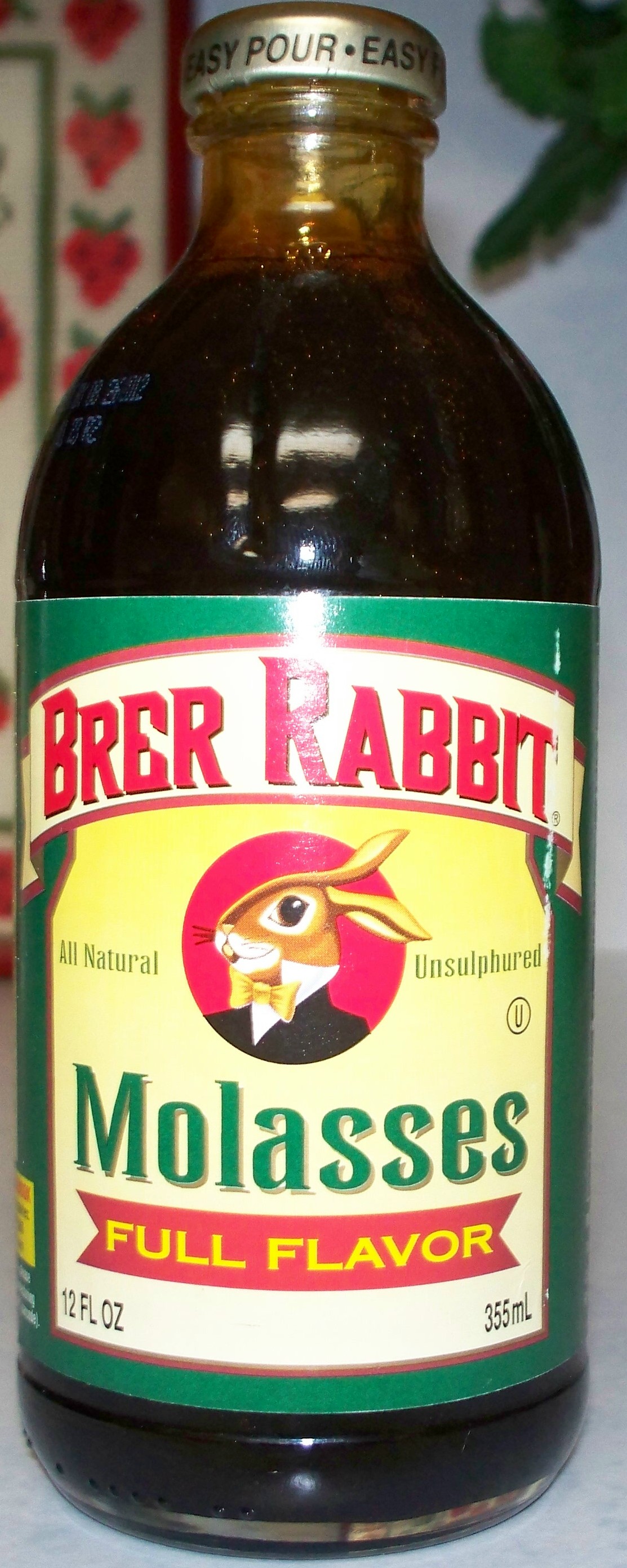
Cane molasses
Saccharum species and hybridsThe concentrated by-product of sugar crystallization contains fermentable sugar plus minerals and compounds that support everything from clean short ferments to intensely aromatic long ones.
Molasses does not dictate a dark or heavy rum: fermentation, still and blending decide that.Photo · Surv1v4l1st / public domainMolasses-based rum production cities
These 6 documented production sites are grouped into 6 cities across Saint Lucia, Australia, Dominican Republic, Belize, Mauritius. The map shows cities only; choose one to see its notable producers and style cues.
- Roseau Valley
- Eagleby
- Puerto Plata
- San Pedro de Macorís
- Belize City
- Pamplemousses
What changes in the glass
Legal identity
Broad styleRum definitions vary by market; EU and US standards both recognize fermented sugar-cane products, but additives and labeling treatment differ.
Fermentation and still architecture
From clean to intensely ester-ledFermentation length and microbiology create congeners before pot stills, columns and blending determine how much weight and aroma remain.
In the glass
A tendency, never a guaranteeFrom light column rum to dense pot-still spirit, depending on fermentation, still and blending.
From introductory to advanced
A four-pour route through rum & sugar cane. “Advanced” means more intense or information-dense—not objectively better. Start with small pours, add water where useful, and compare slowly.
01Start Lightly aged blended rum
Daiquiri, then neatA clean blend introduces molasses-derived sweetness, gentle fruit and oak without overwhelming fermentation character.
02Build Mature Barbados-style rum
Neat or over one cubePot-and-column blending shows how body, fruit and oak can be balanced within one origin tradition.
03Explore High-ester Jamaican rum
Small neat pour or split-base cocktailLong fermentation and pot distillation push fruit esters and savory congeners into a more expressive register.
04Advanced Clairin or unaged cane-juice spirit
Small neat pourFresh cane, local fermentation and minimal smoothing expose raw-material and microbial character with unusual clarity.
Side-by-side method
Compare rum & sugar cane styles
Pick two subtypes and scan the five differences that matter most.
Molasses diluted with water
Fresh-pressed sugar-cane juice, processed quickly before it spoils.
Fermentation can be brief and clean or long and bacteria-rich
Juice is fermented soon after harvest, then pot or column distilled depending on local…
May be unaged or oak-aged in tropical or continental climates
Often bottled white after resting, but oak-aged versions are also common.
Rum definitions vary by market
Fresh cane juice is a raw-material description
From light column rum to dense pot-still spirit, depending on fermentation.
Grassy, vegetal and vivid, often showing olive, citrus and pepper.
Distillery map
Explore the production sites in the rum & sugar cane chapter. Select a style to reduce the map, then choose a marker for its production story.
Appleton Estate
Estate rum in Jamaica’s interiorLong fermentation, pot distillation, ester development, column spirit and tropical maturation make this a rich comparison point.
- banana
- ester
- molasses