FL · Spirit family
Read the category
Flavored spirits layer extraction and blending onto a spirit base. Producers macerate, percolate, redistill or directly add extracts, then balance bitterness, sugar, color and alcohol. Some names describe a legal category, some a protected regional tradition, and others only a broad style—making the exact wording on the label especially important.
How it becomes spirit
- 01Choose spirit base
- 02Select flavor materials
- 03Extract or redistill
- 04Sweeten & blend
- 05Rest & bottle
Flavor may be extracted through maceration, percolation, redistillation or direct addition before blending, sweetening, coloring and resting.
Common terms on the bottle
Brand language can describe law, method or simply a producer's positioning. These side-by-side definitions show what the familiar wording does—and does not—promise.
Liqueur normally signals a sweetened spirit category with a minimum sugar level. A flavored spirit may carry added flavor without meeting the same sweetness threshold.
Crème de cassis and similar names indicate a high sugar level, not dairy. Cream liqueur contains dairy cream or a cream-like emulsion.
Amaro is a broad Italian bittersweet herbal style. Aperitivo describes a pre-meal role and often a lighter, brighter profile; the terms can overlap.
Cocktail bitters are highly concentrated and dosed by dashes. Bitter liqueurs and potable bitters are designed for full pours or mixed-drink measures.
Regional names found on labels
Amaro / Amari
Bitter-sweet herbal liqueur style; not one protected recipe.
Ouzo
Protected aniseed spirit designation.
Pastis de Marseille
Defined aniseed-spirit designation with composition criteria.
Akvavit / Aquavit
Caraway and/or dill-led spirit category; some national names are GIs.
Crème de…
Signals a liqueur meeting a higher minimum sugar threshold, not dairy cream.
Absinthe de Pontarlier
EU geographical indication for an anise-and-wormwood spirit made in the Pontarlier area.
- ItalyLuxardo Distillery
- GreecePlomari Distillery
- MarseilleMaison Ferroni
- ScandinaviaArcus Production Site
- PontarlierDistillerie Guy
Subtype field cards
Liqueurs
Defined styleSweetened spirit category meeting a market-specific sugar threshold and flavored by fruit, botanicals, dairy or other materials.
A sweetened spirit category with minimum sugar rules that vary by jurisdiction; protected names may impose extra requirements.
Fruit, nuts, herbs, cream, coffee or spice, ranging from bright and simple to aged and layered.
Carré CointreauSaint-Barthélemy-d’Anjou, France. Citrus liqueur site.
Amari
Broad styleItalian bittersweet herbal style within the wider liqueur or bitter framework, not one protected recipe.
Amaro is an Italian style word rather than one protected universal recipe; the product is generally labeled within the liqueur/bitter framework of its market.
Bittersweet roots, bark, citrus and herbs, from light aperitivo profiles to dark, mentholated digestivi.
Fratelli Branca DistillerieMilan, Lombardy, Italy. Historic Milan amaro production site.
Aniseed spirits
Defined styleAnise-led family containing distinct protected or defined types such as ouzo, pastis and anis.
EU law defines aniseed-flavored spirit categories and protected terms including ouzo; each named category has composition and origin conditions.
Licorice and fennel aromas; many louche cloudy when water releases dissolved anise oils.
Plomari Distillery Isidoros ArvanitisPlomari, Lesvos, Greece. Copper-still ouzo distillery.
Aquavit
Defined styleCaraway-and/or-dill-led spirit category, with additional geographic protection for certain Nordic names.
EU category requires caraway and/or dill as the defining flavor; certain national/regional names are protected GIs.
Dry, savory and caraway/dill-led, sometimes cask-aged with citrus, fennel and warm spice.
Arcus Production SiteGjelleråsen, Norway. Norwegian aquavit maturation site.
Cocktail bitters
Broad styleConcentrated aromatic-bitter preparation formulated for dashes, distinct from full-pour bitter liqueurs.
Often treated as non-beverage or specialty products depending on market; 'bitters' alone does not describe one universal legal category.
Highly concentrated bitter, aromatic extracts used by dashes rather than as a full pour.
House of AngosturaLaventille, Trinidad and Tobago. Historic aromatic-bitters production site.
Flavored vodka
Defined styleVodka category carrying added declared flavor; unlike infusion, the flavor may come entirely from extracts or essences.
A recognized flavored vodka designation in major markets, normally requiring truthful flavor naming and sometimes a formula or statement of composition.
Neutral or characterful vodka carrying fruit, spice, herb or confectionery flavors.
Absolut Åhus Flavoring SiteÅhus, Skåne, Sweden. Single-source Swedish flavored vodka site.
Infused vodka
Broad styleVodka style flavored by direct maceration of identifiable ingredients, generally retaining natural oils or color.
‘Infused’ describes macerating whole fruit, herbs, roots or spices into vodka rather than one harmonized legal category; final designation depends on the market and formula.
Often drier and more ingredient-specific than extract-led flavored vodka, with natural oils, color and seasonal variation.
Polmos BiałystokBiałystok, Poland. Bison-grass vodka production site.
Absinthe
Traditional termWormwood, anise and fennel spirit tradition; only qualifying place names such as Absinthe de Pontarlier add GI protection.
Absinthe is not one globally harmonized recipe. The protected ‘Absinthe de Pontarlier’ GI requires local production and a macerate containing common wormwood and anise; other origins follow their market’s spirit and ingredient rules.
Anise, fennel and wormwood dominate, supported by herbs such as hyssop or lemon balm; dilution releases oils and creates the characteristic opaque louche.
Distillerie GuyPontarlier, France. Historic Pontarlier absinthe distillery.
Subtype atlas
Liqueurs, up close
Liqueurs is a defined style whose identity comes from the interaction of raw material, method, place and any maturation rules—not from one flavor stereotype. Fruit, nuts, herbs, cream, coffee or spice, ranging from bright and simple to aged and layered.
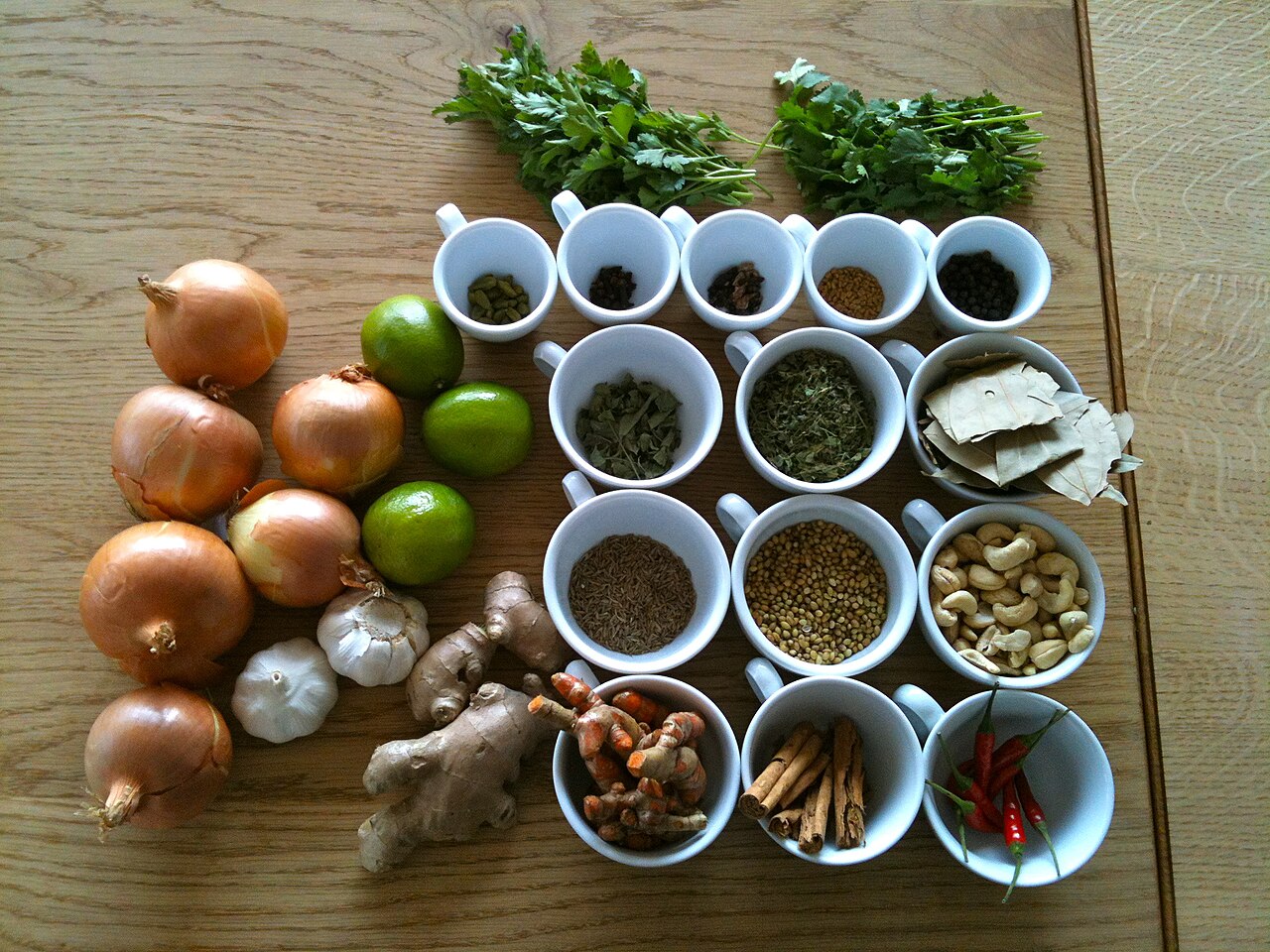
Botanicals, fruit, sugar and a spirit base
Roots, bark, seeds, herbs, flowers, fruit, nuts, dairy or coffee may be extracted into a spirit base, then balanced with sweetness, bitterness and alcohol.
The ingredient list and extraction method often explain more than a broad word such as liqueur or bitters.Photo · Zak Greant / CC BY 2.0Liqueurs production cities
These 8 documented production sites are grouped into 7 cities across France, Netherlands, Italy, Scotland. The map shows cities only; choose one to see its notable producers and style cues.
- Fécamp
- Bourg-Charente
- Amsterdam
- Saronno
- Glasgow
- Cour-Cheverny
- Canale
What changes in the glass
Legal identity
Defined styleA sweetened spirit category with minimum sugar rules that vary by jurisdiction; protected names may impose extra requirements.
Extraction and balance
Aroma, bitterness, sugar and proofMaceration, percolation, redistillation or direct flavor addition pull out different compounds; sweetness and alcohol then decide how those flavors land on the palate.
In the glass
A tendency, never a guaranteeFruit, nuts, herbs, cream, coffee or spice, ranging from bright and simple to aged and layered.
From introductory to advanced
A four-pour route through flavored spirits & liqueurs. “Advanced” means more intense or information-dense—not objectively better. Start with small pours, add water where useful, and compare slowly.
01Start Orange liqueur
Small neat taste, then in a classic cocktailA familiar ingredient makes sweetness, citrus extraction, base spirit and proof easy to separate.
02Build Nut or coffee liqueur
Neat or over iceA richer flavor base shows how roast, fat-like texture and sugar change aroma release and balance.
03Explore Amaro
Neat after a meal or with sodaBitterness adds roots, bark, herbs and citrus to the balancing act rather than simply increasing intensity.
04Advanced Absinthe or alpine herbal elixir
Diluted with water when traditionalDense botanicals and high proof reward dilution, aroma mapping and attention to extraction rather than sweetness alone.
Side-by-side method
Compare flavored spirits & liqueurs styles
Pick two subtypes and scan the five differences that matter most.
A spirit base, sugar and flavors from fruit, nuts, herbs, cream, coffee or spice.
Spirit or wine-derived base with bitter roots, bark, herbs, citrus and sugar.
Flavor is redistilled, macerated or directly extracted.
Botanicals are macerated or separately extracted.
Usually married in tank
Tank resting is common
A sweetened spirit category with minimum sugar rules that vary by jurisdiction
Amaro is an Italian style word rather than one protected universal recipe
Fruit, nuts, herbs, cream, coffee or spice.
Bittersweet roots, bark, citrus and herbs, from light aperitivo profiles to dark.
Distillery map
Explore the production sites in the flavored spirits & liqueurs chapter. Select a style to reduce the map, then choose a marker for its production story.
Chartreuse Diffusion
Herbal liqueur production siteA reference for complex botanical extraction, blending, sweetness and maturation.
- herbal
- sweet
- spice