WH · Spirit family
Read the category
Whisky starts with grain, but the name on the bottle may also encode a country, grain recipe, still type, cask rule or minimum age. Malted barley brings cereal and fruit; corn often reads round and sweet; rye brings spice. Fermentation builds aroma before the still concentrates it, while oak and climate reshape the spirit over years.
How it becomes spirit
- 01Mill & cook grain
- 02Convert starch
- 03Ferment wash
- 04Distill
- 05Mature & blend
Cereals are converted, fermented, distilled, then usually matured in oak. Mash bill, fermentation, still type, cask history and climate all leave a mark.
Common terms on the bottle
Brand language can describe law, method or simply a producer's positioning. These side-by-side definitions show what the familiar wording does—and does not—promise.
Single malt comes from malted barley at one Scottish distillery. Blended Scotch combines one or more single malt whiskies with one or more single grain whiskies.
Single-cask whisky is drawn from one identified cask. Small batch signals a limited vatting, but the phrase has no single universal batch-size definition.
Cask strength is bottled at or near the strength at which it leaves the cask; standard bottlings are normally reduced with water to a target ABV.
A stated age generally refers to the youngest whisky in the bottle. No age statement, often shortened to NAS, gives the blender more freedom across mature stocks.
Regional names found on labels
Scotch Whisky
Made and matured in Scotland under the Scotch Whisky rules.
Irish Whiskey
Irish GI; normally matured at least three years on the island.
Bourbon Whiskey
At least 51% corn and aged in new charred oak; not limited to Kentucky.
Tennessee Whiskey
State-linked American whiskey, commonly charcoal mellowed before maturation.
Japanese Whisky
Industry labeling standard ties qualifying whisky to Japanese water, distillation and maturation.
Taiwanese Single Malt
Single-distillery malt whisky shaped by Taiwan’s warm, humid maturation climate.
Indian Single Malt
Indian-made malt whisky whose regional grain and hot-climate maturation can be highly expressive.
Australian Whisky
Australian-made cereal-grain spirit matured in wood for at least two years before release from excise control.
- ScotlandGlenfiddich Distillery
- IrelandOld Bushmills Distillery
- United StatesMaker’s Mark Distillery
- TennesseeJack Daniel Distillery
- JapanYamazaki Distillery
- TaiwanKavalan Distillery
- IndiaAmrut Distilleries
- AustraliaProduction tradition
Subtype field cards
Scotch whisky
Protected originScottish geographical indication covering single malt, single grain and the three Scotch blending categories.
The GI covers whisky made in Scotland, matured there for at least three years in oak casks no larger than 700 L and bottled at 40% ABV or more.
Ranges from light grain whisky to fruity malt and heavily peated island styles; cask blending is central.
Glenfiddich DistilleryDufftown, Speyside, Scotland. Orchard-fruited Speyside malt.
Bourbon
Defined styleUnited States corn-majority whiskey entered into new charred oak; it is not restricted to Kentucky.
US whiskey from at least 51% corn, distilled to no more than 80% ABV, entered into new charred oak at no more than 62.5% ABV, without added flavor or color.
Sweet corn, vanilla, caramel and char; rye or wheat in the remaining mash bill changes the spice/softness balance.
Buffalo Trace DistilleryFrankfort, Kentucky, United States. Kentucky bourbon site.
Rye whiskey
Defined styleUnited States rye-majority whiskey entered into new charred oak, with a drier grain-led identity than bourbon.
US rye whiskey mirrors bourbon's key limits but requires at least 51% rye in the mash. “Straight” adds a minimum two-year maturation rule.
Peppery, herbal and dry-edged, with new-oak vanilla and toast.
Sagamore Spirit DistilleryBaltimore, Maryland, United States. Waterfront Maryland rye distillery.
Tennessee whiskey
Protected originTennessee-made whiskey meeting state and federal rules, normally distinguished by maple-charcoal mellowing.
Must be made in Tennessee and meet applicable state and federal requirements; the Lincoln County Process is characteristic, with limited exceptions.
Bourbon-like sweetness with a polished, charcoal-mellowed profile.
Jack Daniel DistilleryLynchburg, Tennessee, United States. Historic Tennessee whiskey site.
Irish whiskey
Protected originIsland-of-Ireland geographical indication divided into malt, grain, pot-still and blended whiskey categories.
An Irish GI made on the island of Ireland and matured at least three years; categories include malt, grain, pot still and blended.
Often fruit-forward and approachable; single pot still combines malted and unmalted barley for spice and texture.
Midleton DistilleryMidleton, County Cork, Ireland. Pot still and grain whiskey campus.
Canadian whisky
Protected originCanadian geographical indication commonly built by blending separately made base and flavoring whiskies.
Canadian whisky must be mashed, distilled and aged in Canada in small wood for at least three years and bottled at 40% ABV or more.
Frequently blended from separately distilled flavoring and base whiskies; light texture with rye-led spice.
Gimli DistilleryGimli, Manitoba, Canada. Lake Winnipeg Canadian whisky distillery.
Japanese whisky
Traditional termJapanese industry-standard classification tying qualifying fermentation, distillation, maturation and bottling to Japan.
The Japan Spirits & Liqueurs Makers Association standard is an industry labeling standard, not a national GI; members qualifying for the term follow Japanese production and maturation criteria.
Precise, layered blends and malt whiskies, often balancing orchard fruit, incense-like oak and restrained smoke.
Yamazaki DistilleryShimamoto, Osaka, Japan. Japanese malt whisky site.
Taiwanese single malt whisky
Broad styleMalted-barley whisky from one Taiwanese distillery; a production-and-origin description rather than a global GI.
A country-and-production description rather than a protected global style: malt whisky is made at one Taiwanese distillery, while exact maturation and label rules depend on the market.
Warm, humid warehouses accelerate extraction and evaporation, often emphasizing tropical fruit, vanilla, spice and active cask character.
Kavalan DistilleryYuanshan, Yilan County, Taiwan. Subtropical single malt site.
Indian single malt whisky
Broad styleMalted-barley whisky from one Indian distillery, distinguished by origin and single-distillery production.
A country-and-production description for malt whisky from one Indian distillery; it is not governed by Scotch rules, and qualifying details should be checked on the label.
Indian barley and hot maturation commonly produce concentrated malt, tropical fruit, spice and fast-developing oak character.
Amrut DistilleriesBengaluru, Karnataka, India. High-altitude Indian whisky producer.
Australian whisky
Broad styleAustralian-made cereal-grain whisky subject to a two-year minimum maturation in wood, without one mandated grain recipe or regional style.
Australian whisky is distilled from a fermented cereal-grain mash and must mature in wood for at least two years before it can be released from excise control. The name does not prescribe one grain recipe, still type or regional style.
Often malt-led and small-batch, spanning bright orchard fruit and cereal through wine-cask richness, spice, smoke and concentrated warm-climate oak.
LARK Pontville DistilleryPontville, Tasmania, Australia. Pioneering Tasmanian single-malt distillery.
American single malt whiskey
Defined styleUnited States standard made entirely from malted barley at one U.S. distillery and matured in oak no larger than 700 liters.
The U.S. standard requires 100% malted barley, mashing, distillation and maturation in the United States, production at one U.S. distillery, distillation to no more than 80% ABV, oak casks no larger than 700 L and bottling at 40% ABV or more.
Malt-led American whiskey ranging from cereal and chocolate to fruit and smoke, with climate, specialty malt and new or used oak creating broad regional variation.
Westland DistillerySeattle, Washington, United States. Pacific Northwest single-malt distillery.
Subtype atlas
Scotch whisky, up close
Scotch is one protected national GI with five protected regional or locality names. They are useful orientation points, not flavor guarantees: still shape, fermentation, peat, cask and blending can outweigh geography.
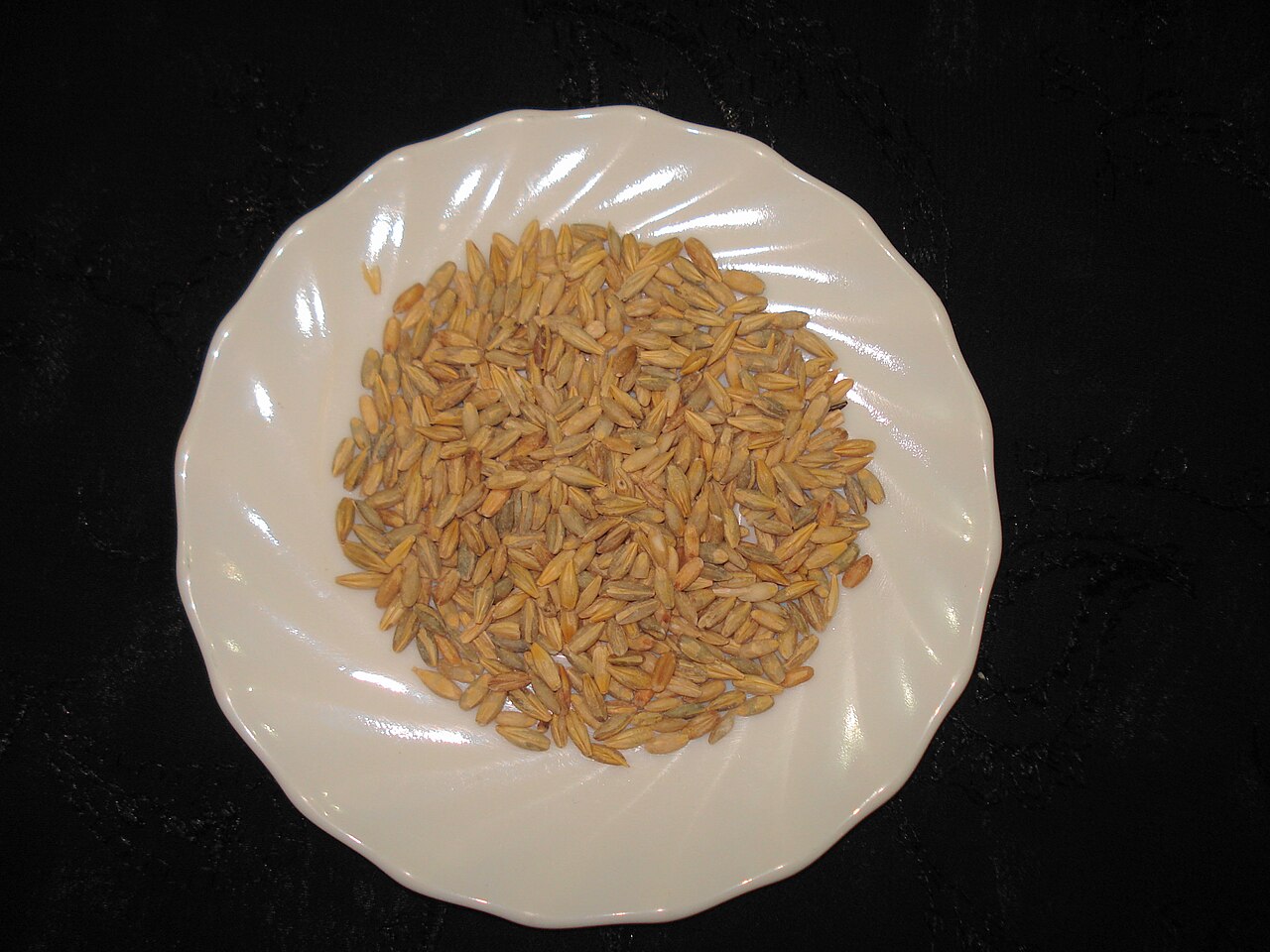
Malted barley
Hordeum vulgareSingle malt Scotch begins with malted barley. Germination creates enzymes that release fermentable sugars; kilning stops growth, and peat smoke may—or may not—add smoky phenols at this stage.
Grain Scotch can also use other whole cereals, while malt whisky must use malted barley and pot stills.Photo · Miansari66 / CC0Scotland's five protected whisky names
The vectors follow the protected areas named in the Scotch Whisky product specification. Speyside and Campbeltown use the referenced 2007 ward boundaries; the statutory Highland–Lowland route is cartographically simplified. Flavor notes are tendencies, never requirements.
- HighlandGlenmorangie Distillery
- SpeysideThe Glenlivet Distillery
- LowlandAuchentoshan Distillery
- IslayLaphroaig Distillery
- CampbeltownSpringbank Distillery
From introductory to advanced
A four-pour route through whisky & whiskey. “Advanced” means more intense or information-dense—not objectively better. Start with small pours, add water where useful, and compare slowly.
01Start Blended Irish whiskey
Neat or with a little waterA gentle bridge into grain, light fruit and oak without heavy smoke or cask intensity.
02Build Straight bourbon
Neat, then over one large cubeNew charred oak makes the relationship between corn sweetness, vanilla, caramel and char easy to read.
03Explore Peated single malt Scotch
Neat with water on the sidePeat introduces smoke, earth and maritime savor while malt, fermentation and cask character remain underneath.
04Advanced Cask-strength or single-cask whisky
Small pour; dilute graduallyHigher concentration rewards careful dilution and comparison of spirit weight, cask influence and texture.
Side-by-side method
Compare whisky & whiskey styles
Pick two subtypes and scan the five differences that matter most.
Malted barley for malt whisky
At least 51% corn, usually with rye or wheat plus malted barley.
Malt is pot distilled
The cooked mash is fermented, then usually column distilled and doubled
At least 3 years in Scotland in oak casks no larger than 700 L
New charred oak is mandatory.
The GI covers whisky made in Scotland, matured there for at least three years in oak…
US whiskey from at least 51% corn, distilled to no more than 80% ABV.
Ranges from light grain whisky to fruity malt and heavily peated island styles
Sweet corn, vanilla, caramel and char
Distillery map
Explore the production sites in the whisky & whiskey chapter. Select a style to reduce the map, then choose a marker for its production story.
Glenfiddich Distillery
Orchard-fruited Speyside maltA useful starting point for connecting copper pot distillation, ex-bourbon and sherry-influenced maturation with Speyside style.
- pear
- malt
- oak